Tish Goes into Labor and the Baby Is Born
If Beale Street Could TalkTish’s labor and the birth of her child turn an extended period of waiting into an irreversible change. The event is prepared by her fear that Fonny may remain imprisoned when the baby comes, and culminates in a birth narrated through exhaustion, a sudden loss of breath, and the child’s repeated cry. Its intimate arrival is set against the family’s continuing financial and legal uncertainty.
Pregnancy Under Strain
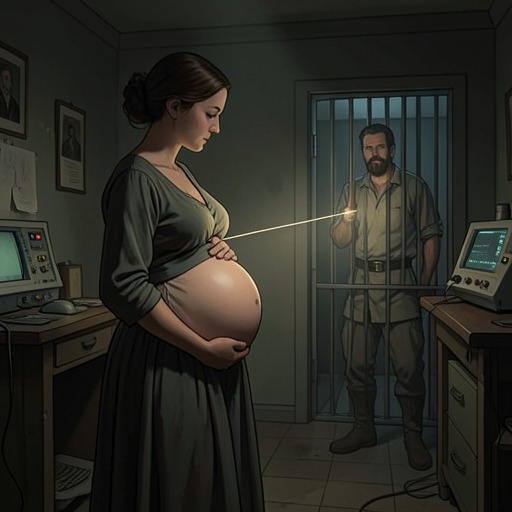
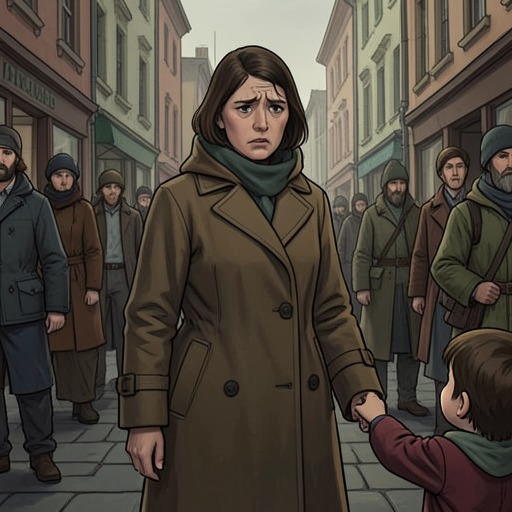
Tish has continued working despite knowing that she is nearing the end of her pregnancy. One morning, unable to call in sick, she drinks tea with Sharon in silence and walks through streets crowded with people heading to work, people returning to furnished rooms, and piles of garbage along the stoops. Her thoughts turn to how she will manage if Fonny is not released before the baby arrives. The possibility of having to find desperate means of support underscores how closely pregnancy, poverty, and Fonny’s detention press upon one another.
The commute makes that strain physical. In the packed subway, Tish worries that as she grows heavier and sicker she may collapse, and that the crowd could trample her and the baby. She grips the white pole more firmly and reminds herself that Fonny is counting on her to bring the child safely into the world. Around her, passengers are absorbed in their own journeys and do not see her. The scene makes her pregnancy both intensely private and exposed to the indifference of the public world.
Protection and Waiting
Earlier, in a crowded shop, Tish recognizes that a white officer is approaching while a young man blocks her way. When Fonny enters and intervenes, she holds him back and places herself between him and the officer, insisting that the young man attacked her. No one present speaks up. The confrontation shows the danger that surrounds the couple and Tish’s effort to protect Fonny; it also gives the later birth a history of action, not merely anxious waiting. Her body is repeatedly made the point at which the safety of Fonny and the unborn child seems to meet.
By the time the family gathers at home, Tish is so tired that she can hardly speak. Sitting and watching the sky, she feels that something is about to happen but cannot move; she can only wait. Sharon says that Ernestine may have obtained the rest of the money from her actress, briefly placing the family’s efforts to secure Fonny’s release beside the impending change in Tish’s condition.
Frank’s Discovery and the Labor
Before Tish can answer, the doorbell rings. Sharon’s voice makes Tish stand abruptly, and she drops her brandy glass. Joseph is at the door with news: Frank has been found far upriver in the woods, sitting in his locked car with the motor running. The account establishes the circumstances of Frank’s discovery but does not state his condition. Tish sits down again, carrying the shock of this news into the moment that follows.
When Sharon asks how she is feeling, Tish opens her mouth but cannot catch her breath. Everything disappears from her attention except Sharon’s eyes; then she sees only Fonny. She screams, and her labor begins. The narration presents the onset not as a composed decision or explanation but as an abrupt bodily threshold, arriving after fatigue, fear, and family news have accumulated.
Birth and Closing Image
The final image shifts from Tish’s scream to Fonny working wood and stone, whistling and smiling, while the baby’s cry grows nearer. The child cries repeatedly, an arrival that breaks into the narrative from far away and demands attention. The juxtaposition connects the newborn’s first sounds with Fonny’s continuing creative work, even as the preceding scenes have established his imprisonment and the family’s attempts to raise money for him.
A closing dateline identifies Columbus Day, October 12, 1973, and St. Paul de Vence. The birth does not resolve the case against Fonny or the family’s material difficulties; instead, it changes what their struggle must protect. Tish has brought the child into the world, while the narration leaves the family’s future open.